


Learn Basic Kanji Online
Japanese Characters for Beginners
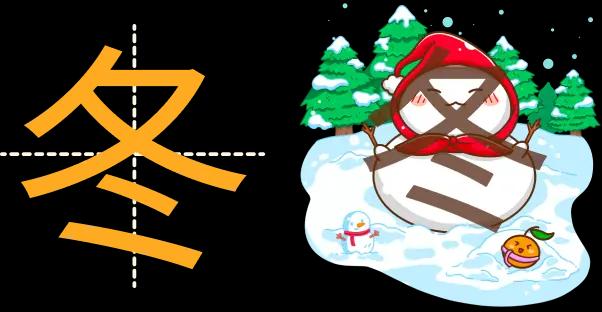
Kanji is the Chinese-derived writing system used in Japanese. Unlike Hiragana and Katakana which represent sounds, Kanji characters represent meanings and concepts. Mastering Kanji is essential for reading Japanese fluently.
FAQ
1. How many Kanji do I need to learn?
To read everyday Japanese, you need to know around 2,136 Jōyō Kanji (常用漢字). However, starting with the 100 most common Kanji will help you understand basic texts and build a strong foundation.
2. What is the difference between Onyomi and Kunyomi?
Onyomi (音読み) is the Chinese-derived reading, often used in compound words. Kunyomi (訓読み) is the native Japanese reading, typically used when the Kanji stands alone or with Hiragana endings.
3. What is the best way to learn Kanji?
The most effective approach combines learning Kanji in context (within vocabulary), writing practice for stroke order, and spaced repetition for long-term retention.
What is Kanji?
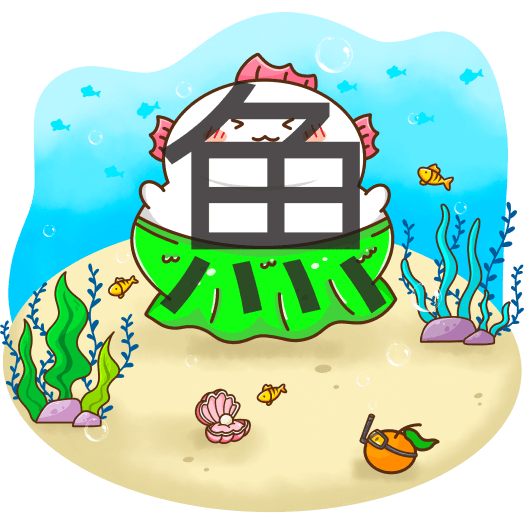
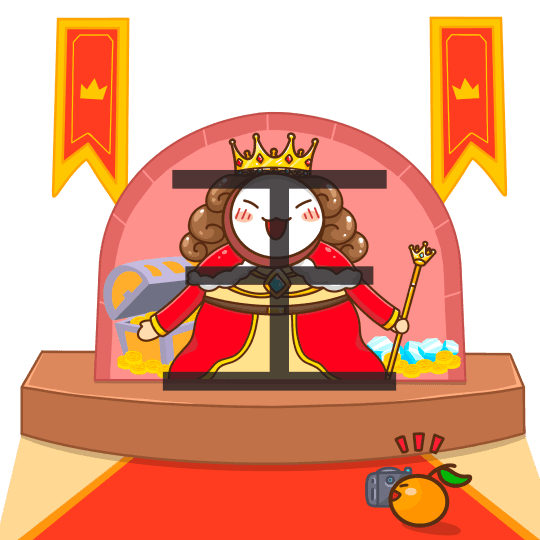
Kanji (漢字) literally means "Chinese characters." These logographic characters were adopted from Chinese and adapted for Japanese use. Unlike the phonetic Hiragana and Katakana scripts, each Kanji represents a concept or meaning, not just a sound.
For example, the Kanji 日 means "sun" or "day," 月 means "moon" or "month," and 火 means "fire." Many Kanji combine these basic elements (called radicals) to form more complex characters.

Why is Kanji Important?
Kanji is essential for reading Japanese because it:
- Distinguishes homophones: Japanese has many words that sound the same but have different meanings. Kanji helps differentiate them visually.
- Conveys meaning quickly: A single Kanji can express what would take multiple syllables in Hiragana, making reading faster and more efficient.
- Required for native-level reading: Newspapers, books, and official documents all use Kanji extensively.
How to Learn Kanji Effectively
1. Start with Basic Kanji (100 Most Common)
Don't try to memorize all 2,000+ Kanji at once. Start with the 100 most frequently used Kanji. Many of these are radicals (building blocks) that appear in more complex characters, so learning them first makes future Kanji easier to understand.
2. Learn Kanji with Vocabulary
A common mistake is learning Kanji in isolation. Instead, learn each Kanji within the context of real vocabulary words. This helps you understand how Kanji is actually used and makes it easier to remember both the character and its readings.
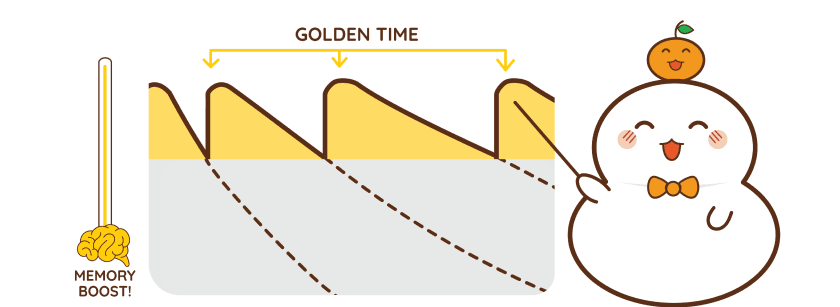
3. Use Spaced Repetition
Spaced Repetition is a scientifically proven technique where you review material just before you're about to forget it. This method can improve your memory retention by 10x compared to traditional studying.
Understanding Kanji Readings: Onyomi vs Kunyomi
Most Kanji have multiple readings, which can seem confusing at first. Here's the key difference:
| Reading Type | Origin | When Used | Example (日) |
|---|---|---|---|
| Onyomi (音読み) | Chinese-derived | Compound words (jukugo) | ニチ、ジツ (nichi, jitsu) |
| Kunyomi (訓読み) | Native Japanese | Standalone or with okurigana | ひ、か (hi, ka) |
Pro tip: Don't memorize all readings at once. Learn the readings naturally as you encounter them in vocabulary words.
Ready to Start Learning Kanji?
Quick Tips for Kanji Beginners
- Learn radicals first: Understanding the ~200 radicals makes complex Kanji much easier to break down and remember.
- Practice writing: Writing Kanji by hand reinforces memory and helps you recognize stroke patterns.
- Read regularly: Expose yourself to Kanji through manga, news, or graded readers to see characters in context.
- Be patient: Kanji mastery takes time. Aim for consistent daily practice rather than cramming sessions.
Kanji might seem overwhelming at first, but with the right approach and tools, you can steadily build your knowledge. Start with the basics, practice consistently, and you'll be reading Japanese naturally in no time!